𝐍𝐚𝐭𝐢𝐨𝐧𝐚𝐥 𝐀𝐬𝐬𝐞𝐦𝐛𝐥𝐲’𝐬 𝐄𝐧𝐝𝐨𝐫𝐬𝐞𝐦𝐞𝐧𝐭 𝐑𝐚𝐢𝐬𝐞𝐬 𝐄𝐲𝐞𝐛𝐫𝐨𝐰𝐬 𝐚𝐬 𝐏𝐢𝐩𝐞𝐥𝐢𝐧𝐞 𝐒𝐮𝐫𝐯𝐞𝐢𝐥𝐥𝐚𝐧𝐜𝐞 𝐂𝐨𝐧𝐭𝐫𝐚𝐜𝐭𝐬 𝐂𝐫𝐢𝐬𝐢𝐬 𝐃𝐞𝐞𝐩𝐞𝐧
- by Ebikeme, Bayelsa, HSN
- about 7 hours ago
- 331 views

The National Assembly was expected to investigate all contractors associated with pipeline surveillance contracts, including PINL, Maton Engineering, and Tantita Security Services. However, it only called in Tantita, turning the inquiry into more of a Nigeria home movie than a thorough investigation.
In a move that raised concerns about transparency, the National Assembly passed a vote of confidence on Tantita without conducting a meaningful probe. This public show of support has fueled suspicions of corruption and eroded trust in a system that seems to prioritize private interests over national ones.
One of the main issues with the current arrangement is the concentration of advanced surveillance technology in the hands of private contractors. These companies now control critical maritime surveillance systems, aerial monitoring platforms, and command centers. This raises serious questions about accountability and oversight.
Key concerns include which government agency oversees the command-and-control centers managing these operations, under whose authority these systems are deployed, and what safeguards are in place to ensure that they remain under the control of the Nigerian state.
At a time when Nigeria’s military struggles with limited surveillance for counter-insurgency and anti-banditry, it is alarming that private companies possess more advanced technology than national security agencies. This poses significant strategic risks, and no responsible government should allow private entities to control such vital assets without clear oversight.
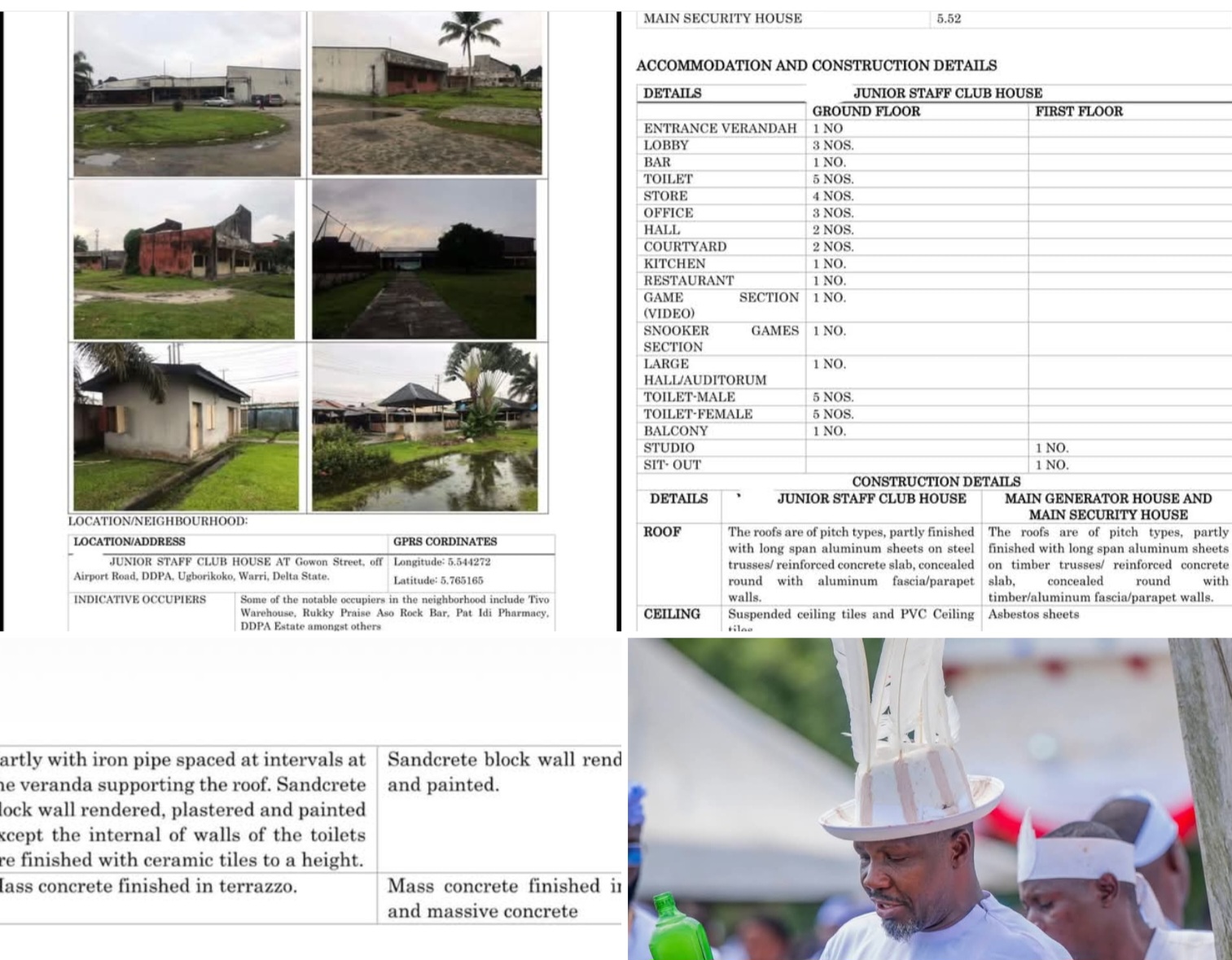
There are well-documented allegations that Tantita Security Services is involved in activities like kidnapping, human trafficking, slavery, running private prisons, and even killings. It is deeply troubling that the Federal Government and security agencies are permitting a group with such a dark track record to amass advanced technology and power, effectively enabling them to become a financial and strategic threat to national security.
During the roundtable, a representative from the Nigeria Security and Civil Defence Corps (NSCDC) claimed that Nigeria's crude oil production had exceeded 1.8 million barrels per day. This statement contradicts official data from the NNPC, the Central Bank, and the National Bureau of Statistics, which undermines efforts to combat oil theft and creates confusion both domestically and internationally.
The Managing Director of Tantita Security Services explained that Nigeria's oil production was 1.8 million barrels per day in 2020. Due to inadequate anti-theft measures, production fell to 1.6 million in 2021 and further to 1.1 million in 2022. However, after taking over pipeline security, production rose to 1.4 million barrels per day.
Between 2020 and 2021, illegal bunkering and refining operations flourished, with individuals like the late Captain Osa trying to curb the issue. However, his efforts were ineffective, suggesting that some NNPC officials, government figures, and even state actors were more focused on profiting from oil theft than addressing it. Despite these challenges, Nigeria’s crude oil production remained high, at around 1.8 to 1.9 million barrels per day.
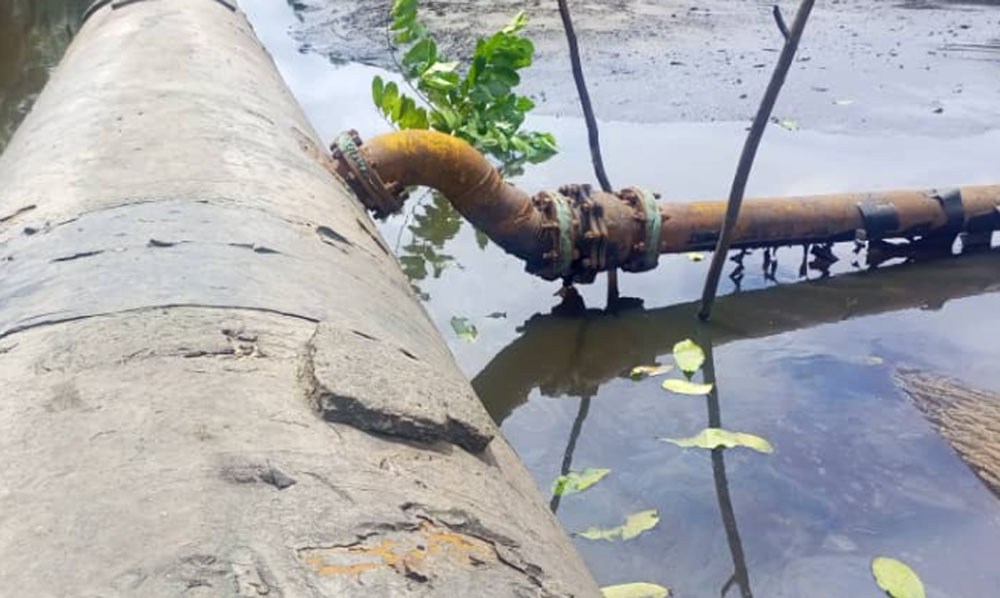
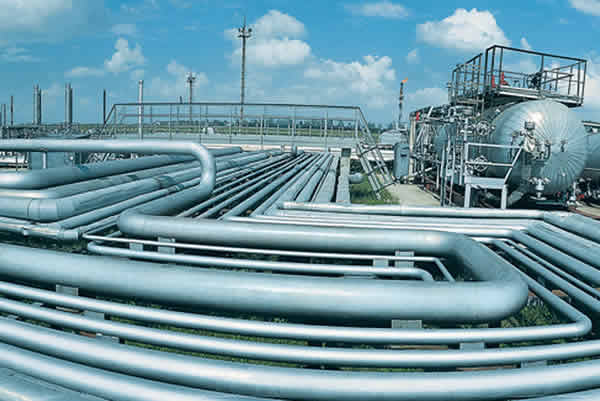
This raises a critical question: Why hasn't production increased despite a reported 99.9% reduction in illegal oil activities in the creeks? This suggests that some parties may still be stealing Nigeria’s crude at the terminals, using pipeline surveillance as a cover for their crimes. Decentralizing surveillance contracts could potentially put an end to large-scale theft.
Tantita Security Services’ presentation at the roundtable appeared clearly scripted— from the staged scenes of crude theft to the actors playing the roles of armed criminals in the creeks. If the presentation were genuine, why didn't they display the crude captured in large vessels? Their deception has been exposed, but the drive to decentralize surveillance to state-level management continues to gain momentum.
There are also conflicting reports about Nigeria's crude oil production. While some security agencies claim production is between 1.8 and 1.9 million barrels per day, Tantita’s Managing Director contradicts this. A recent analysis from THISDAY, based on data from the Nigerian Upstream Petroleum Regulatory Commission (NUPRC), reveals a 16.6 million-barrel shortfall in crude oil and condensate production for January and February 2026.
In January, Nigeria produced 50.5 million barrels, and in February, output dropped to 41.6 million barrels. This brought the total for the two months to 92 million barrels, which is far below the government’s 2026 benchmark of 1.84 million barrels per day. Daily production averaged 1.63 million barrels in January, and dropped to 1.48 million barrels in February, contributing to the overall shortfall.
The recent roundtable discussion should not be confused with a formal legislative hearing, as it lacked transparency and accountability. Unlike public hearings, which typically involve broad stakeholder input, this limited forum cannot adequately represent the interests of the wider Niger Delta community.
The failure to involve key stakeholders in the pipeline surveillance contract process has caused the current crisis. As the Director-General of the State Security Service (SSS) noted, greater community involvement could have prevented much of the crisis. As it stands, the system now benefits a select few, jeopardizing national security and the well-being of Nigerians. Corruption among the political class further worsens these issues, and there is an urgent need for international action, including sanctions on corrupt leaders, to ensure accountability and a more equitable future for Nigeria.
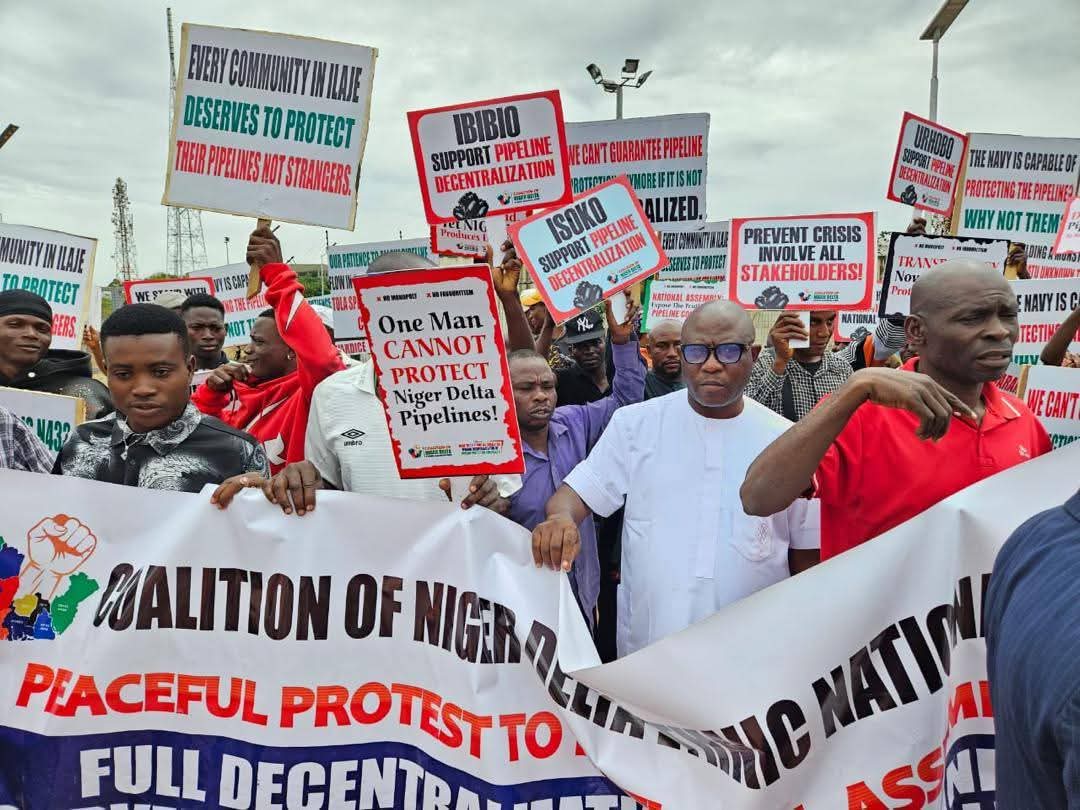
The Federal Government to take immediate action, including dismantling the current pipeline surveillance contract structure and establishing a transparent, decentralized surveillance system. A decentralized approach involving state-level management would improve intelligence gathering, foster greater community cooperation, and help Nigeria increase oil production to over 2 million barrels per day.
National Assembly members who passed a vote of confidence in Tantita Security Services are complicit in this ongoing crisis. They have remained silent as Tompolo's Tantita was implicated in kidnapping, human trafficking, and killings, never speaking out against his atrocities. Yet, they quickly backed Tantita, likely because financial transactions have taken place. Meanwhile, persons like Charles Korubo and Balamene Karowei remain imprisoned in Tompolo’s private prison in Oporoza.
These National Assembly members are contributing to the country’s downfall rather than passing laws that could improve Nigeria. It is only a matter of time before their visas are banned in several countries for their role in this crisis.








1 Comment(s)
PINL is professional in this job